✓
Put actions in order
What belongs in the first hour, first day, and later follow-up.
No cybersecurity jargon. No affiliate product pitches. Just the next action, in order, with official U.S. sources attached.
What belongs in the first hour, first day, and later follow-up.
Freeze, fraud alert, monitoring, FTC report, IRS IP PIN — each solves a different problem.
FTC, CFPB, IRS, SSA, IdentityTheft.gov and state Attorney General material — no anonymous “experts.”
Simple records, case numbers and downloadable checklists for multi-step cleanup.
Each guide answers one situation, cites the official source, and avoids generic prevention filler.
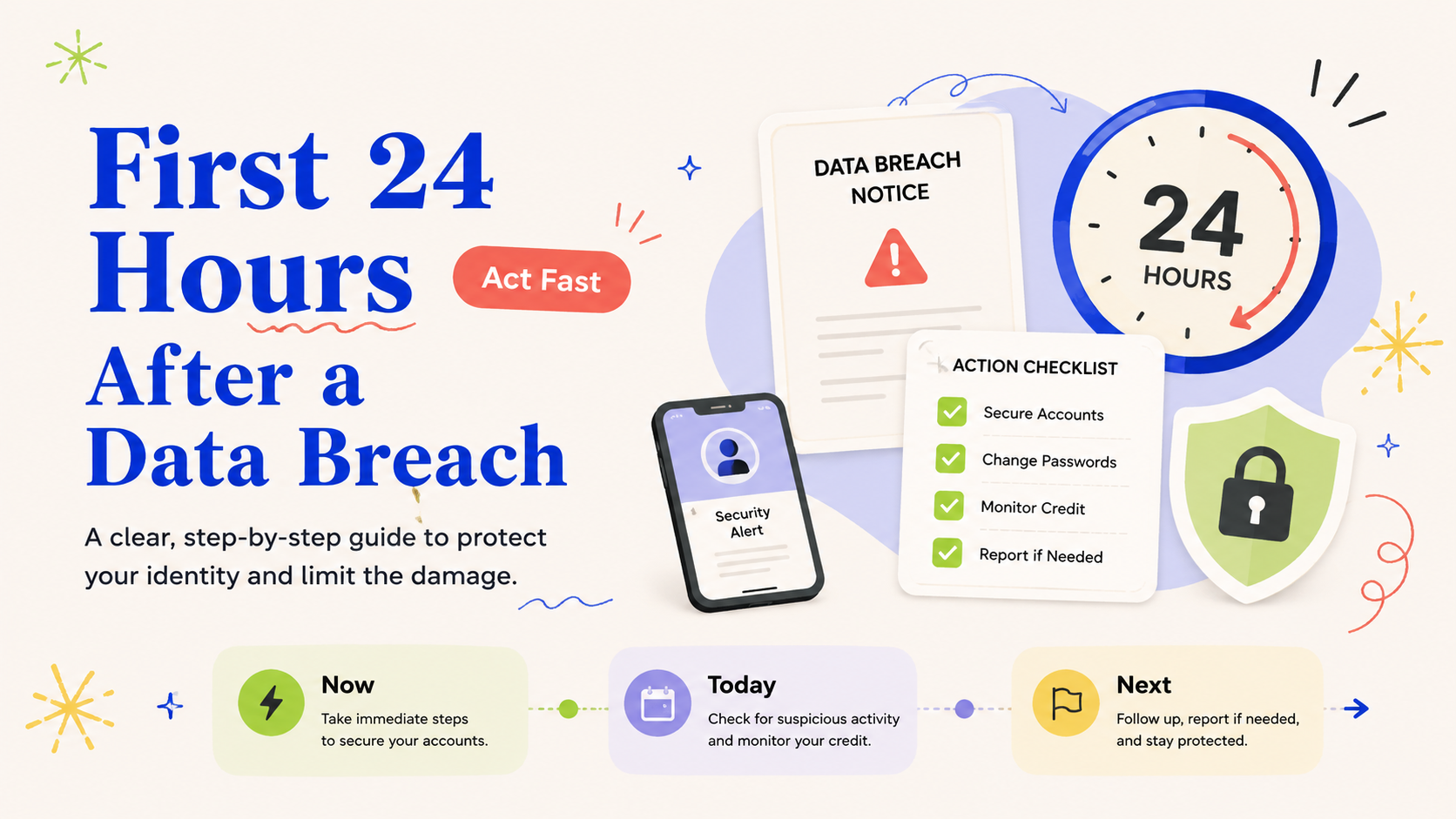
A practical triage order for the day you learn your information may have been exposed.
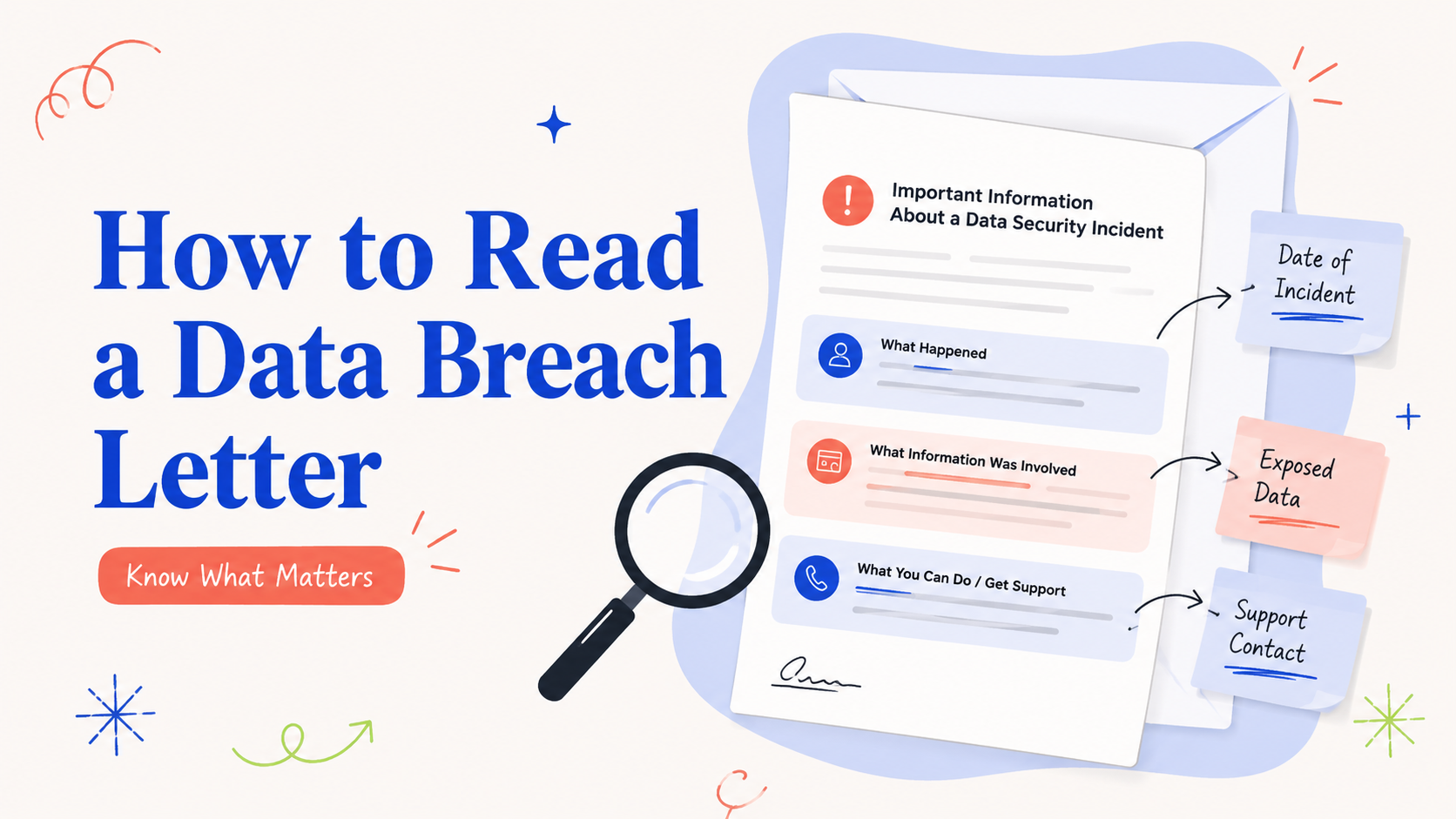
Use the notice as an evidence document: identify scope, dates, affected data, offered services, and the response steps that actually match your risk.
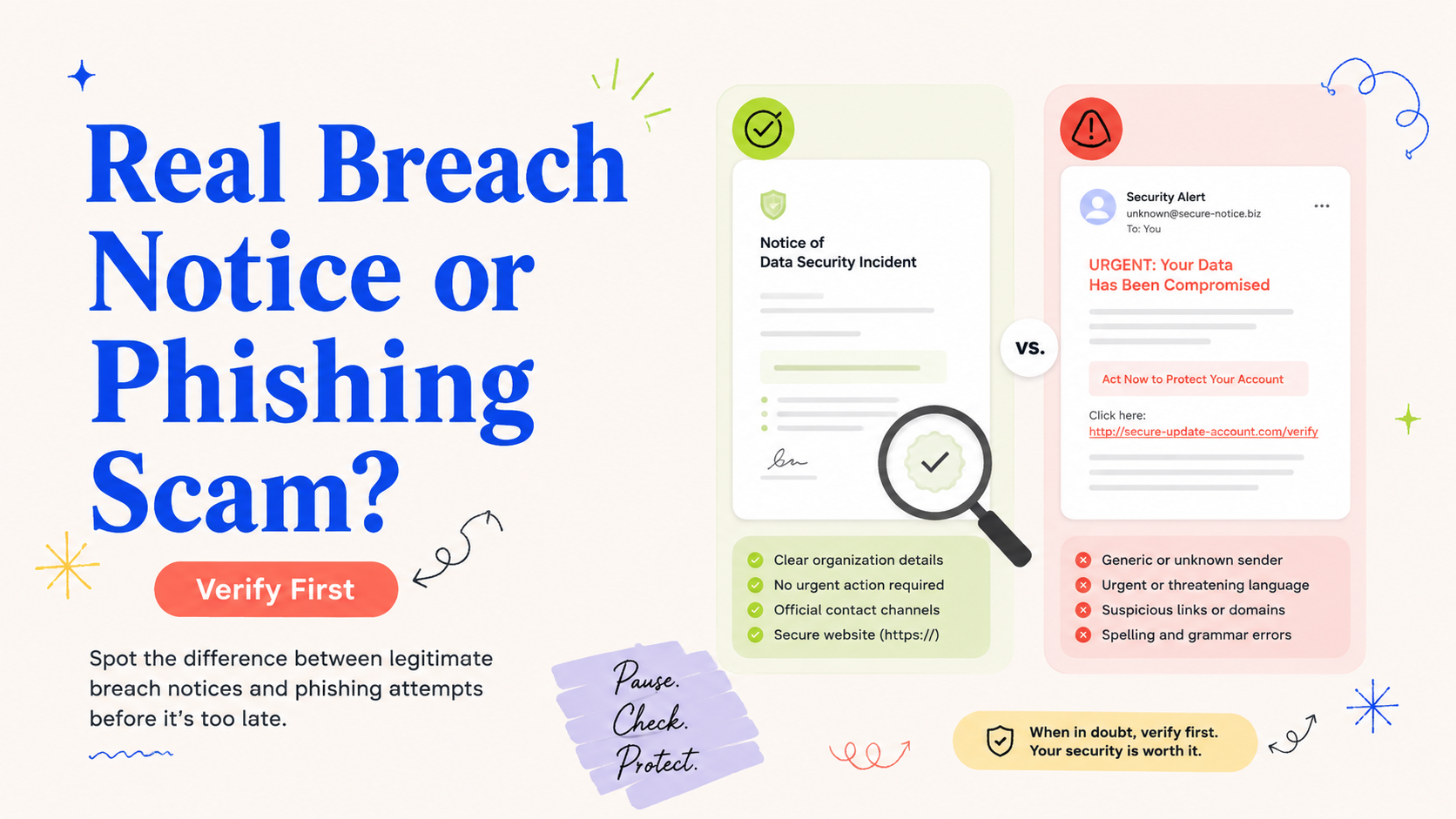
Verify a breach notice without handing more personal information to someone who may be impersonating the breached company.
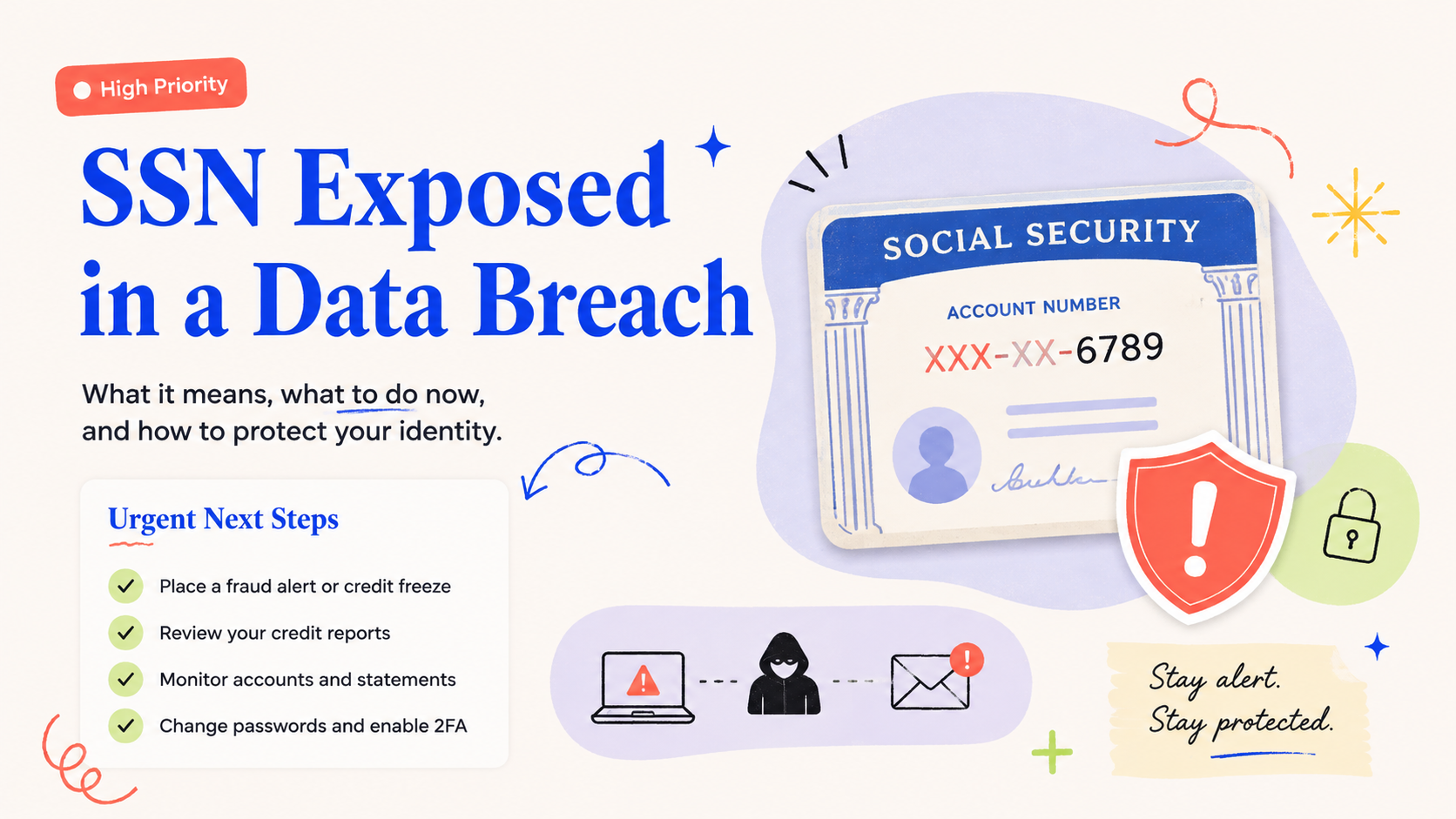
A durable identifier calls for a longer response than replacing a payment card. Focus on new-account fraud, tax misuse, and records that may surface later.
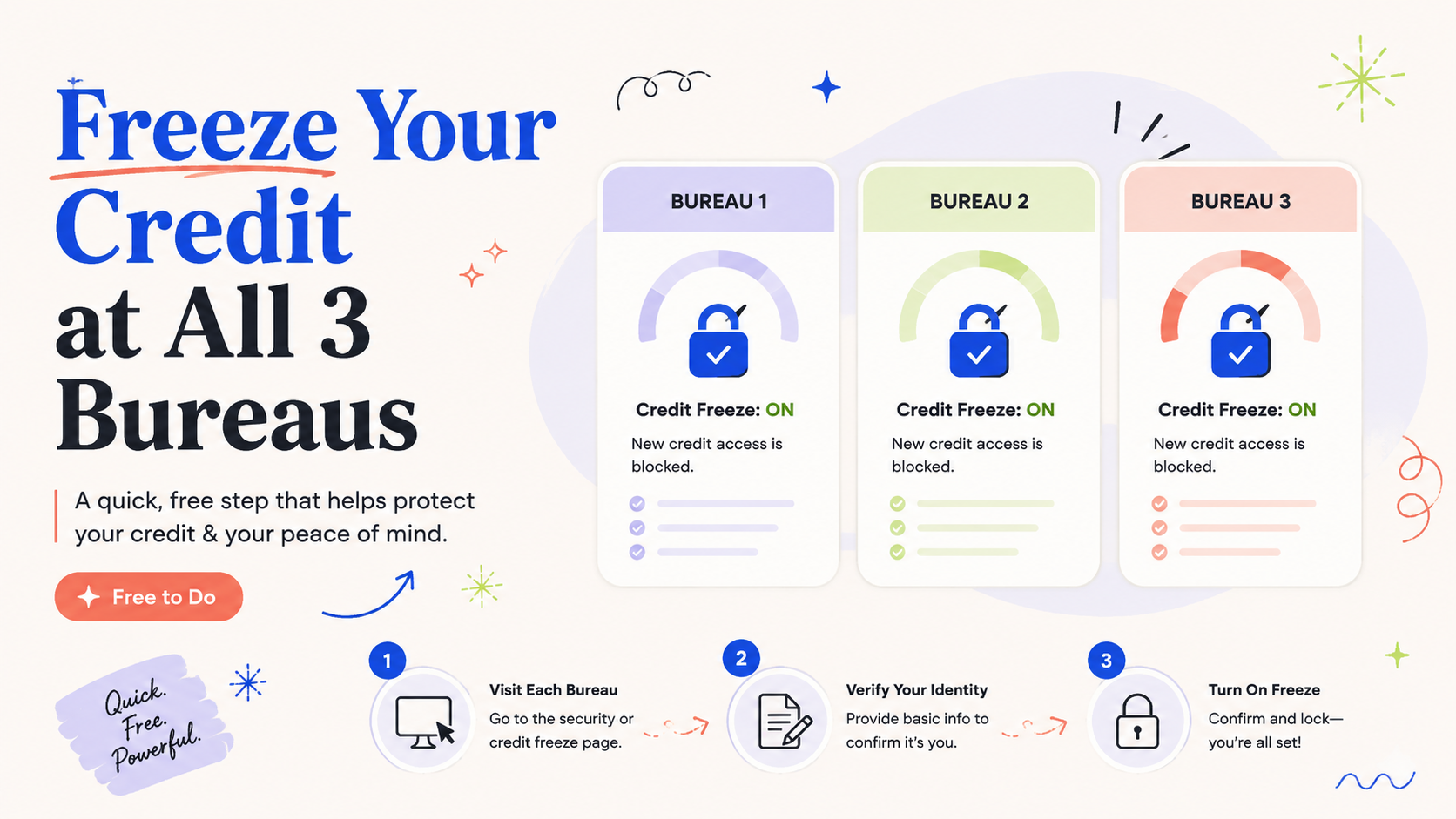
A three-part checklist for placing, confirming, and safely storing a credit freeze with Equifax, Experian, and TransUnion.
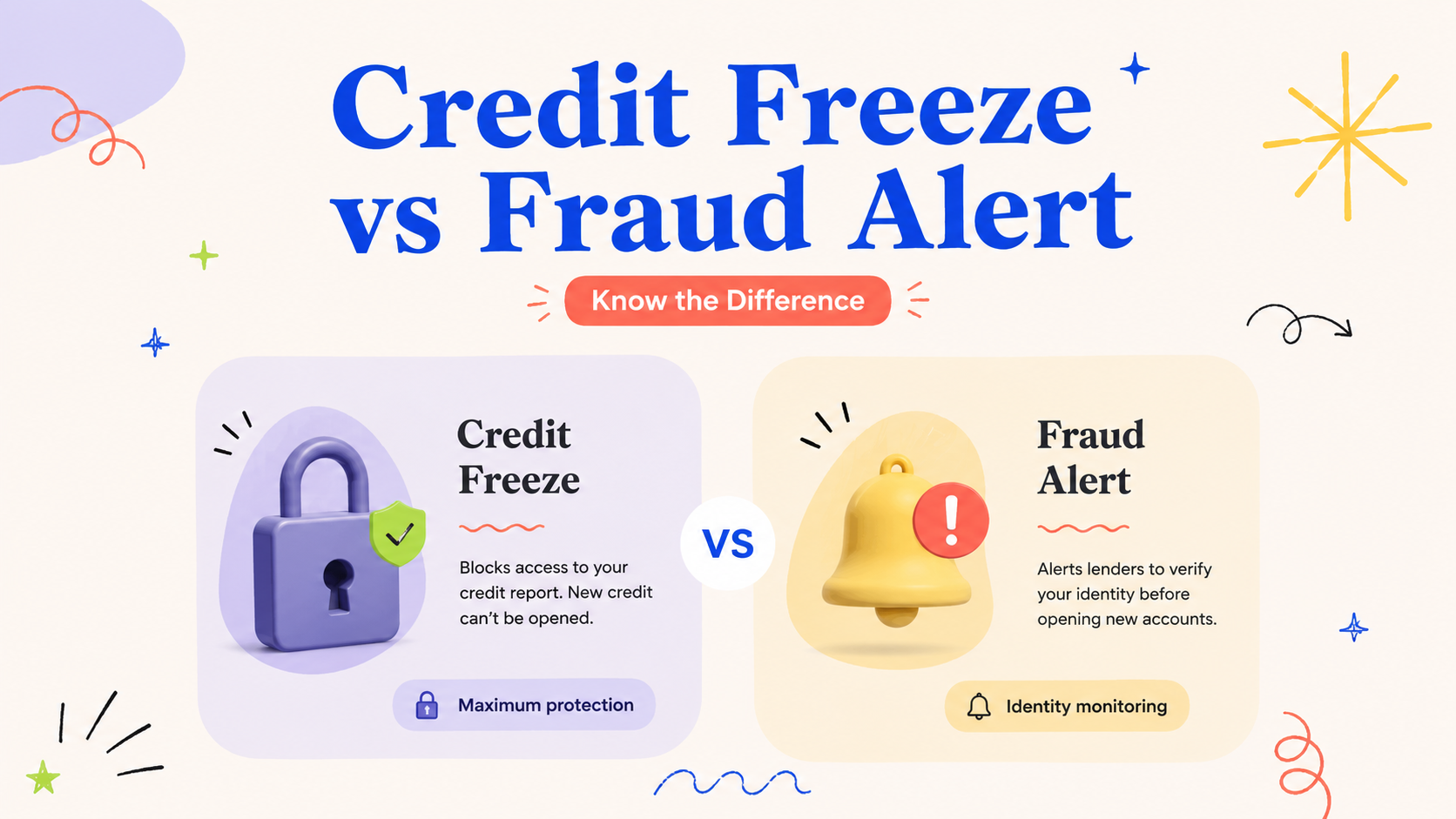
Both are free, but they work differently. Choose based on whether you want to restrict new-credit access or add identity checks while keeping the file available.
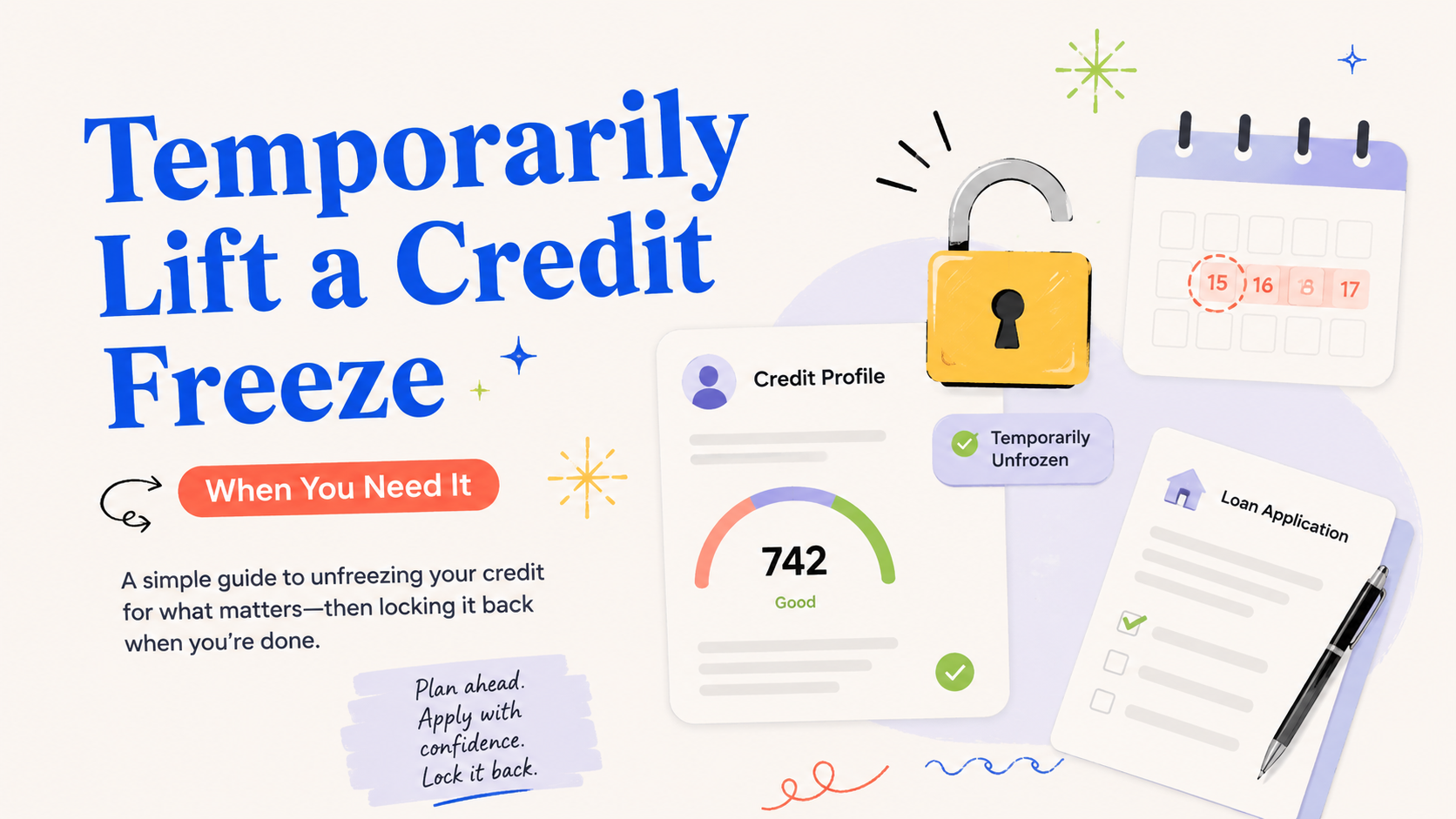
Unfreeze only the credit file and time window you need, then verify that protection is back in place.
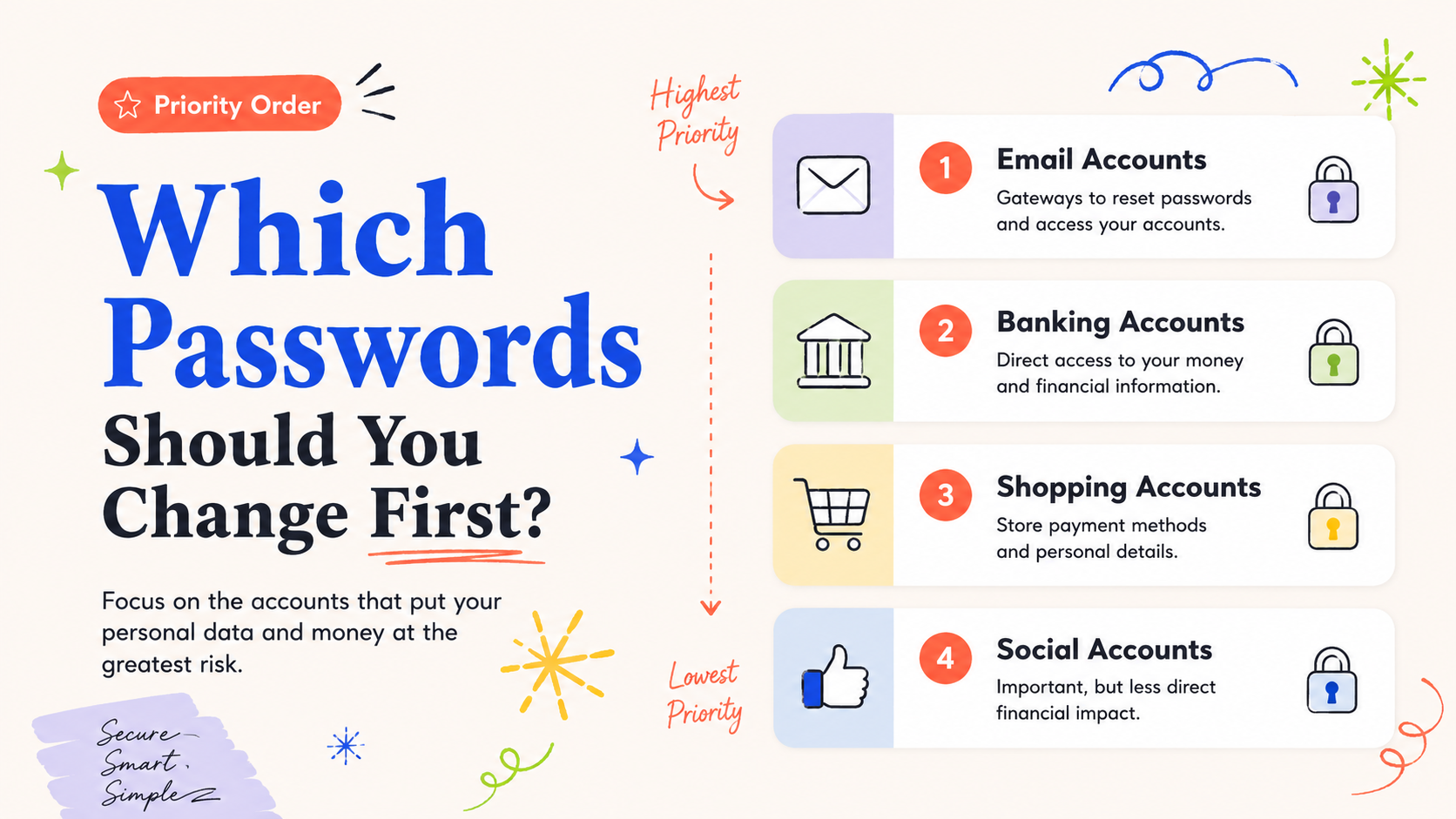
Use dependency order: secure the accounts that reset other accounts before working through lower-impact logins.
We publish a guide only when the action can be tied to a primary government or bureau source. State-law details are kept narrow and sourced to the state itself.